About the Client
- Moldavian Steel Works (MMZ, Rybnitsa)
- 2,500 employees
- Supplying products to EU countries, the USA, Canada, Australia, Southeast Asia, and Latin America since the 1990s
- Annual revenue: $500M
- Objective: Transition paper-based document management into digital format by integrating the DirectumRX platform
LITIKO specialists transferred 90% of Moldavian Steel Works’ documentation to the DirectumRX platform. Setting up EDMS for an enterprise with multiple divisions took 7 months.
As a result, system implementation significantly reduced employee workload, saved paper costs, and accelerated business processes.
Challenges Faced
The record-keeping system at MMZ had remained unchanged for over 30 years and was conducted exclusively on paper. External communication relied on email, traditional postal mail, and phone calls.
Registration and routing of internal paper documents were equally cumbersome. All of this required high operational costs and bottlenecked business processes.
To modernize, LITIKO used the DirectumRX 4.0 platform. The goal was to transition key record-keeping workflows to EDMS. This required implementing several modules and solutions, as well as training the plant’s lead specialists to work in the system.
However, when MMZ management outlined the project requirements, it became obvious that the system needed customization. Every module required an update.
Project Stages:
- Pre-project audit of MMZ business processes
- Development, documentation, and approval of project requirements and system settings
- Presentation of core solutions and method manuals to key company users
- Addendums to requirements
- Creation of project schedule and roadmap
- Creation of technical specifications
- Project execution and system customization tailored to company needs
- Identifying functional traits during test launch, followed by implementation and refinements
- Development of user manuals for each area, taking into account configured settings and refinements
- Training working groups based on the developed manuals
- System testing to identify potential errors and extra requests, followed by additional adjustments if needed
- Signing a technical support agreement
“Records Management” Module: Electronic Document Routing and Access Levels to Confidential Data
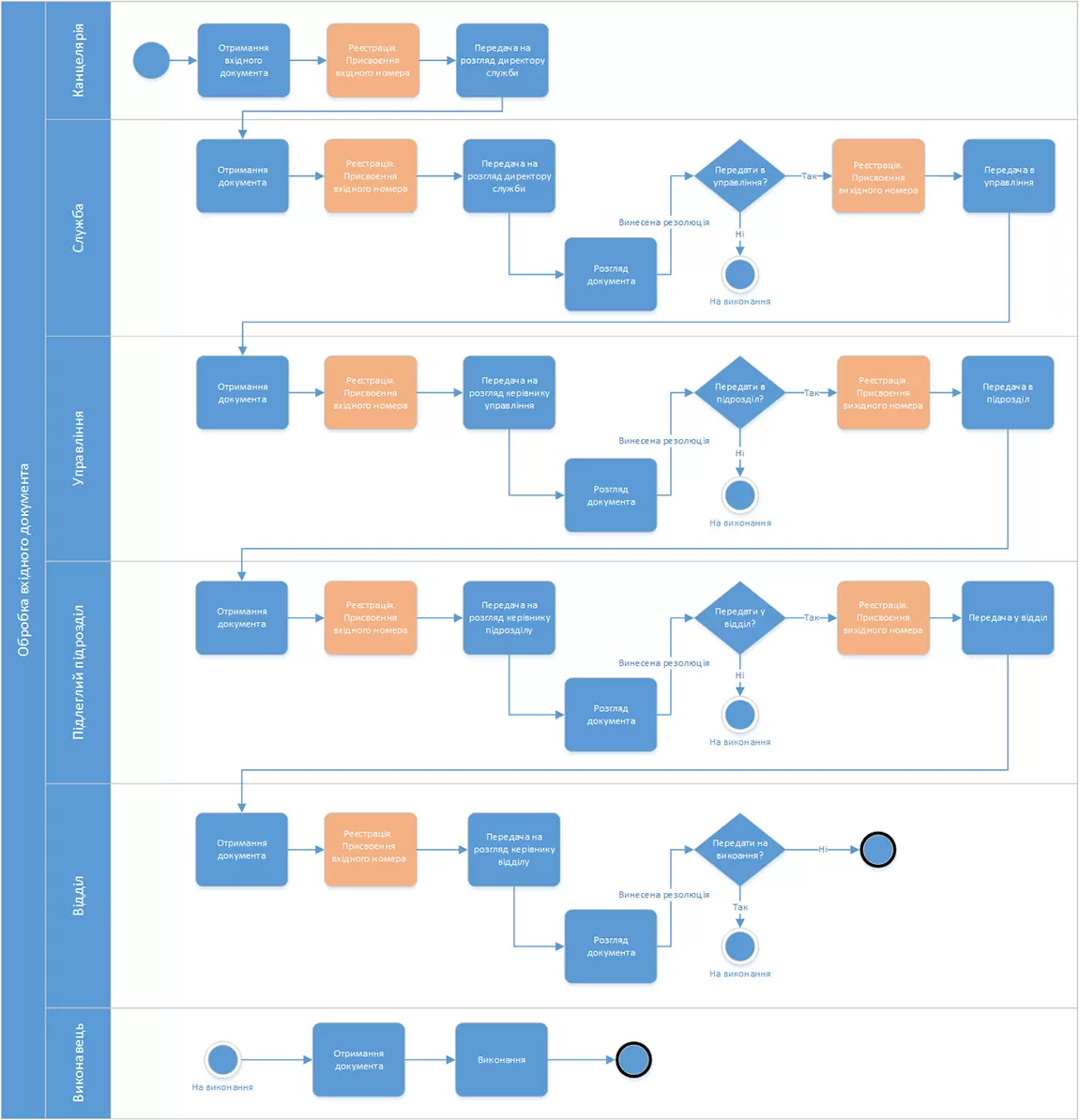
BEFORE
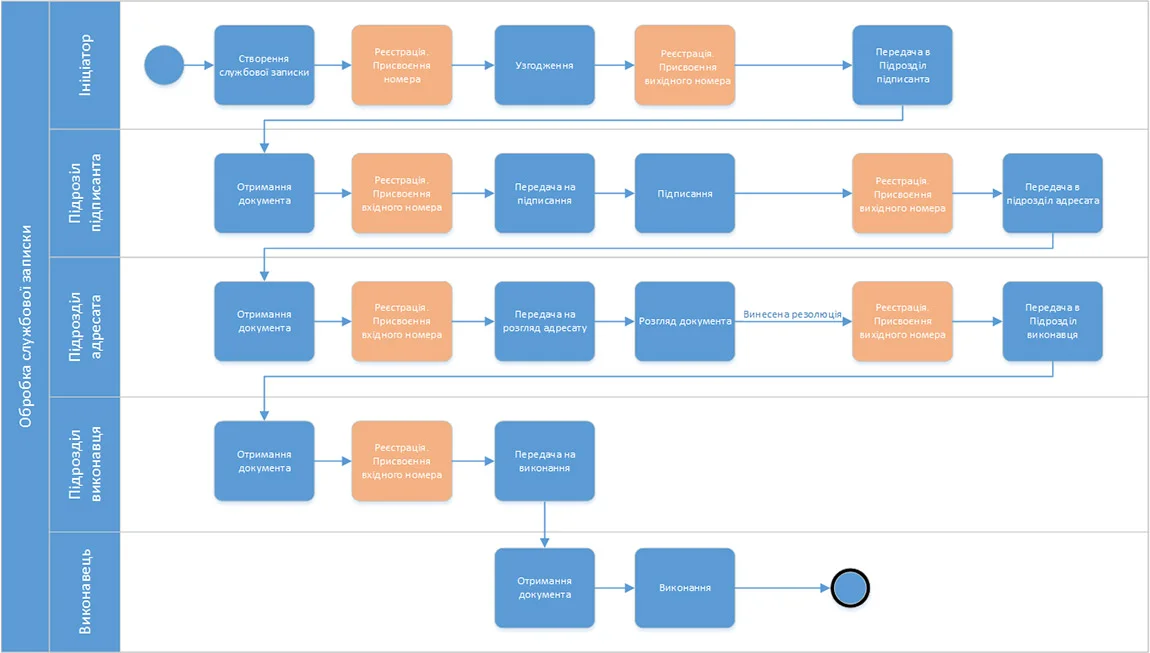
Historically, incoming and outgoing request processing at MMZ was quite cumbersome. A paper document arrived at the central registry, from where it was sent to the next department, where an additional registration number was manually added in pen. When, after passing through several departments, the request reached the assignee, there was simply no space left on the paper for a final stamp! Everything was covered in numbers assigned by each department in the chain.
Meanwhile, the number of physical registry logbooks exceeded 300.
Plant management fully supported modernizing this process. However, key specialists feared that tracking document movement digitally would become impossible. To eliminate these concerns, users were given visual demonstrations showing that an electronic system increases operational transparency, enables document tracking, and virtually eliminates data loss risks.
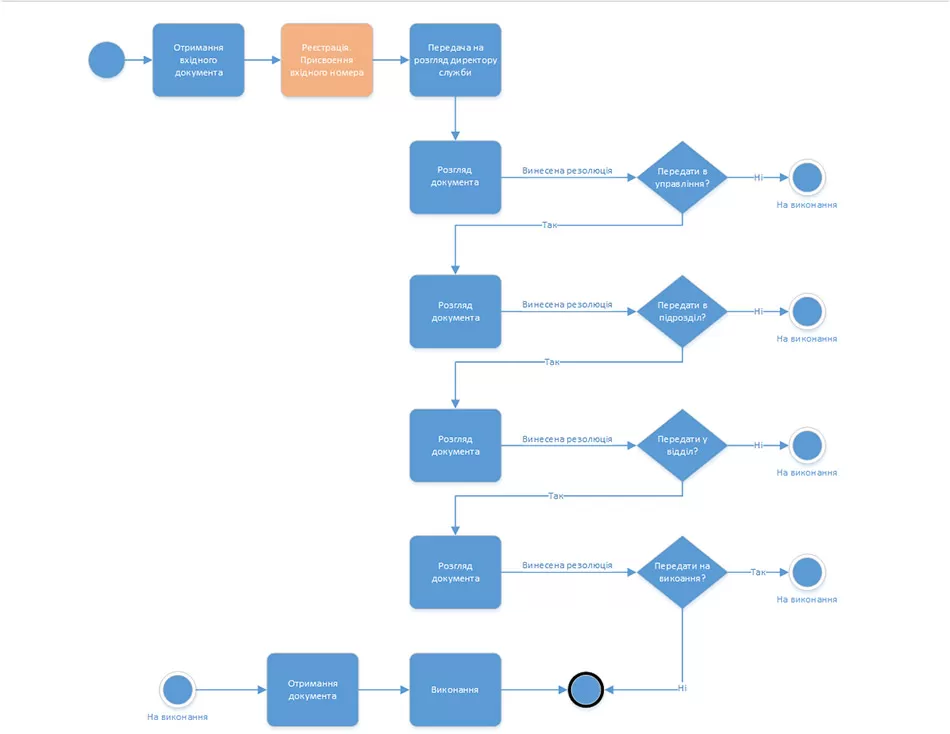
AFTER
As a result, the “Records Management” module was successfully implemented. Documents now “live” in the system and move electronically. Only 2 logbooks remained at the central registry: one for incoming and one for outgoing correspondence. Documents are registered here once and continue digitally under a single ID. Any manager can view any document in the system in just two clicks.
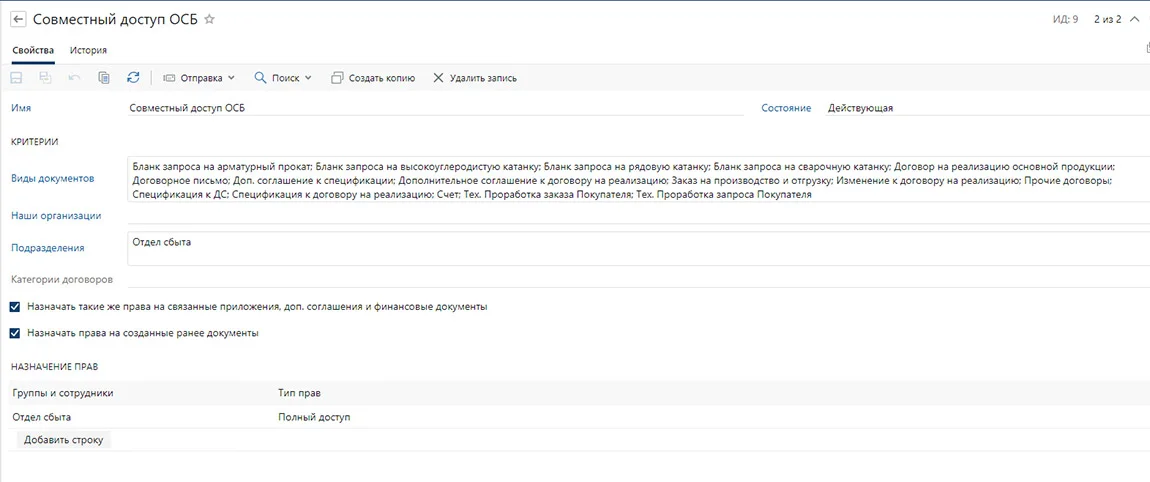
By implementing the “Records Management” module, LITIKO specialists digitized 90% of the plant’s document flow. In addition, they configured access levels for confidential commercial information.
This was one of top management’s key requirements.
“Meetings” Module: Changing Existing DirectumRX Layout Templates for Digital Minute Drafts
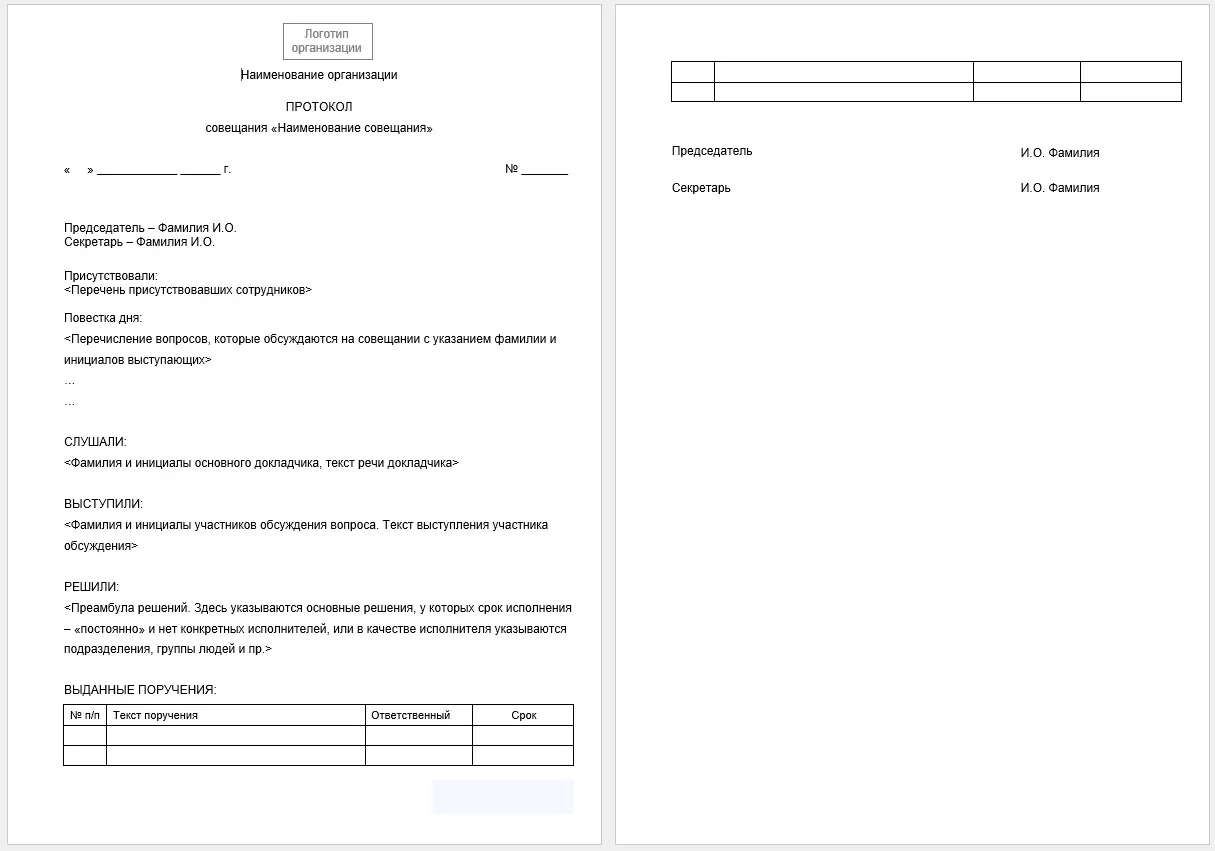
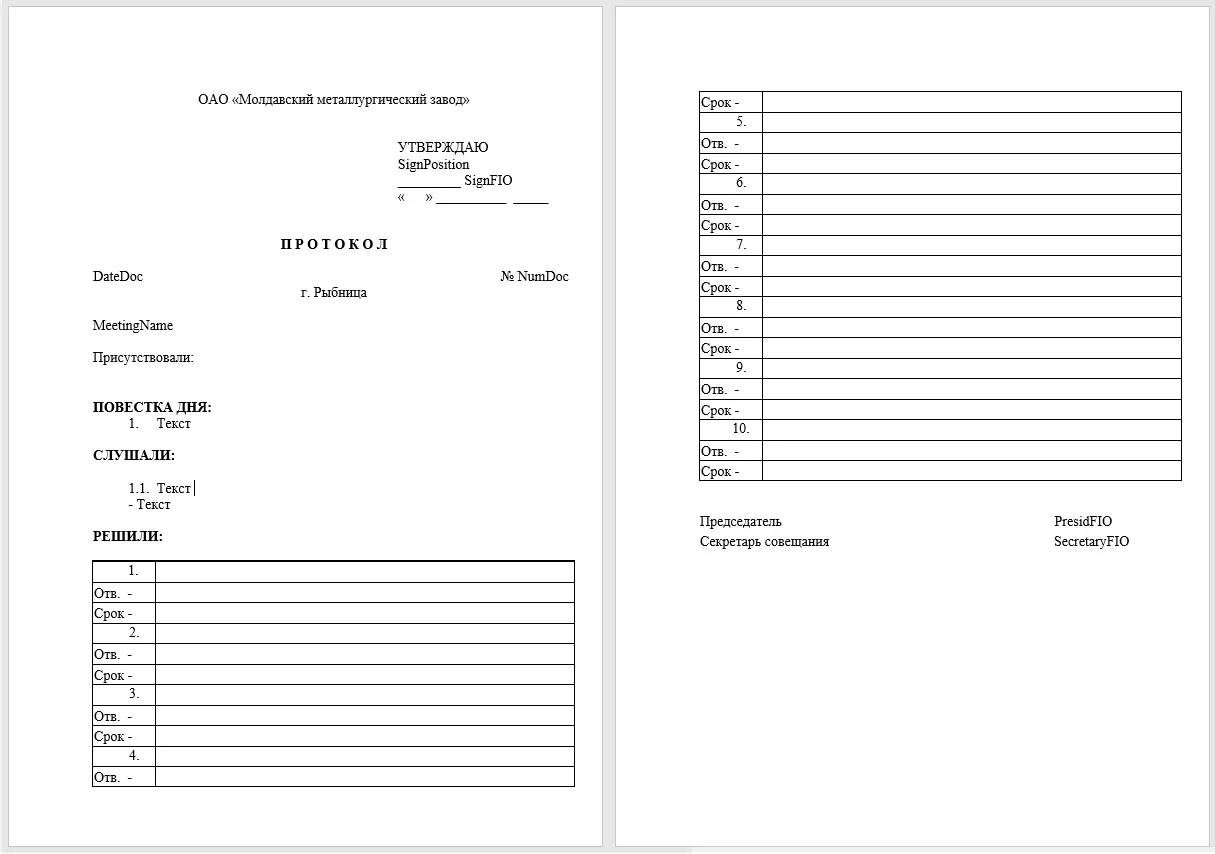
This module was successfully deployed in its base functionality — LITIKO specialists added only “Recurring Meetings”. However, existing meeting minute templates did not suit the client. They had to be significantly revised — multiple times, in fact.
Users who were accustomed to the design and layout of paper forms requested that digital documents closely resemble their paper counterparts.
Specifically, fonts, margins, paragraph spacing, and even punctuation marks had to match the printed form. To fulfill all client requests, third-party libraries even had to be integrated. Ultimately, users received a comfortable and familiar format.
BEFORE
AFTER
“Contracts” Module: Digitizing Workflow Stages and Creating Bid Comparison Sheets
BEFORE
MMZ manufactures several types of products: rolled steel, rebar, structural steel, and others. Customers outline their requirements in requests arriving via various communication channels (regular mail, phone, or email). Next comes pre-contractual, contractual, and post-contractual processing involving 5 separate divisions.
The process looked like this:
- Customer request moves from one division to another
- Processed at each stage
- Detailed and agreed with the customer
- Transformed into a commercial proposal
- Proposal approved by the customer
- Contract created based on the proposal
- Manufacturing and dispatch orders created
In total, about 10 types of paper documents were involved, and processing each required the work time of multiple specialists.
AFTER
Now, processing customer requests from any channel moves digitally across pre-contractual, contractual, and post-contractual stages. This minimized data loss risks and dramatically sped up document processing times.
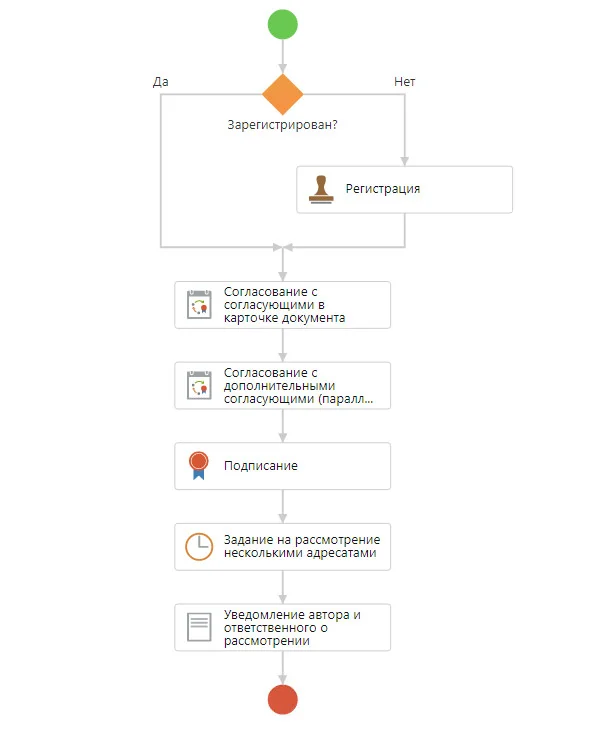
In addition to core modules, two pre-contractual solutions were configured: Bid Comparison Sheets and Technical Evaluations. Bid Comparison Sheets are a procurement tool used to consolidate pricing and product specs from external suppliers submitting commercial proposals, allowing the company to select vendors and execute purchases.
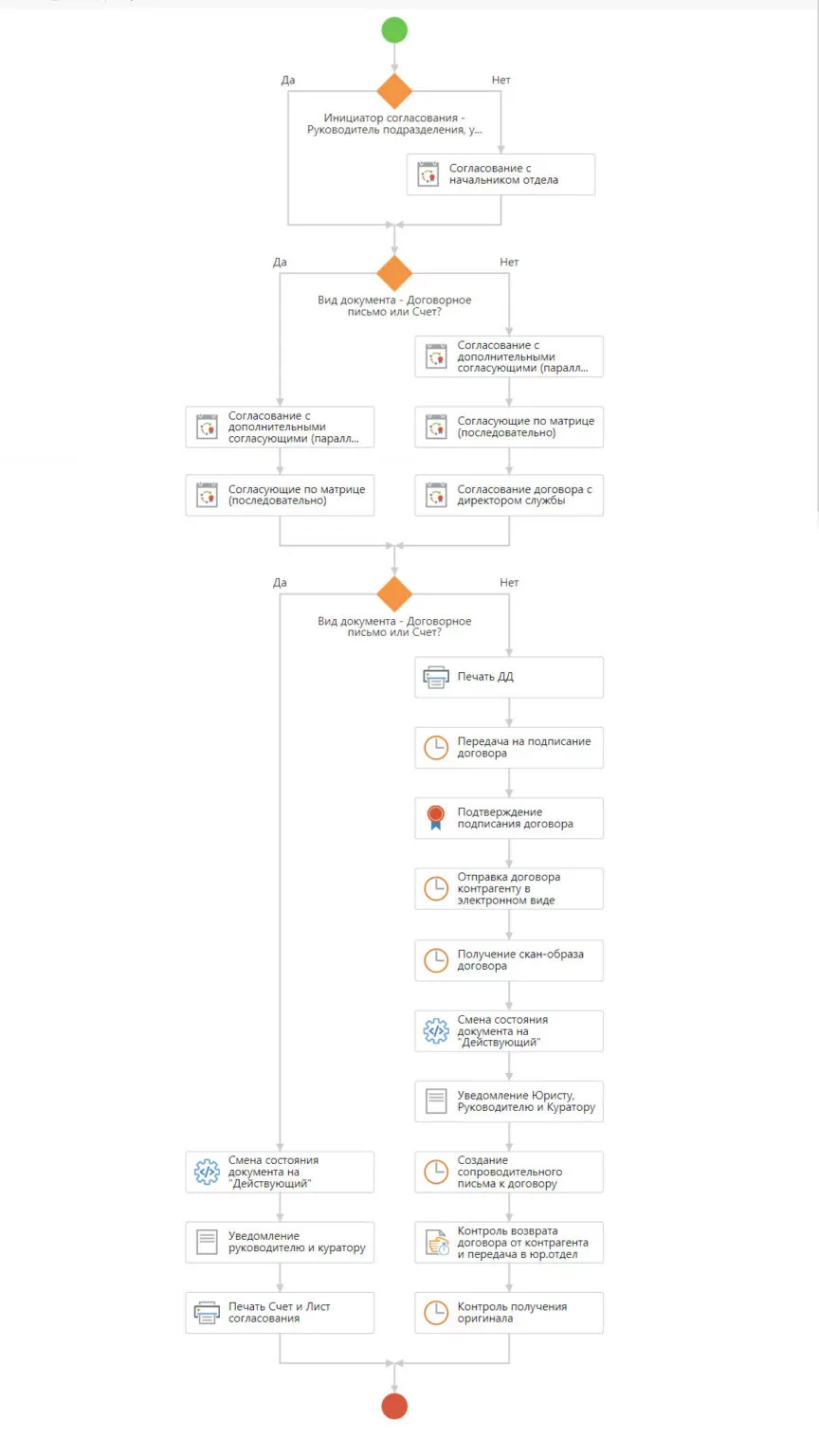
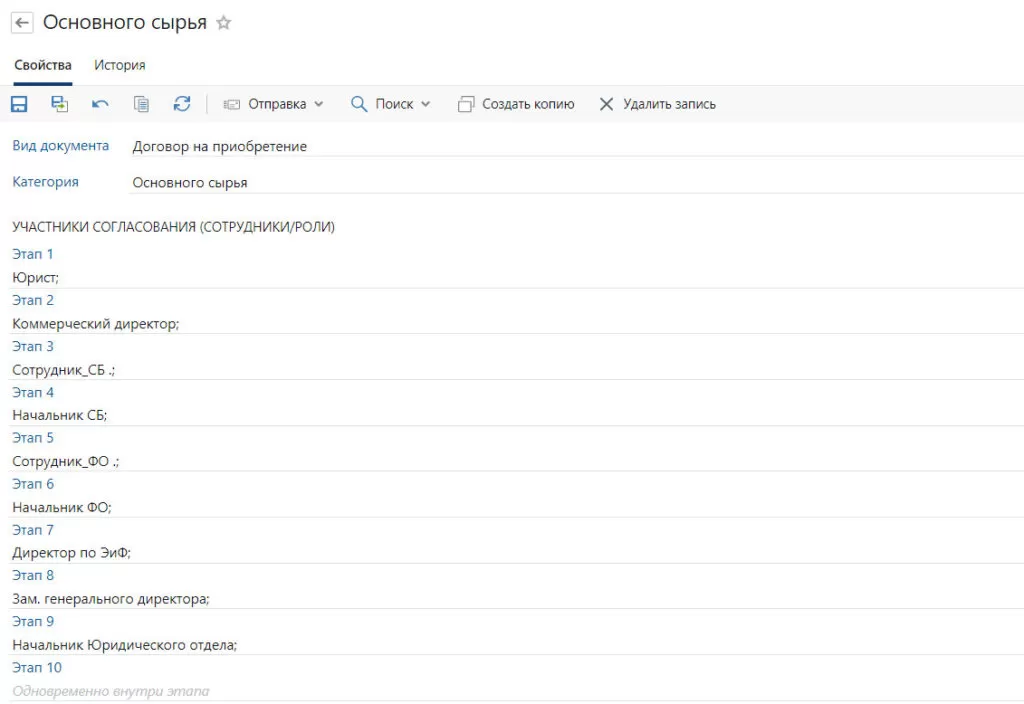
Contract Approval Matrix:
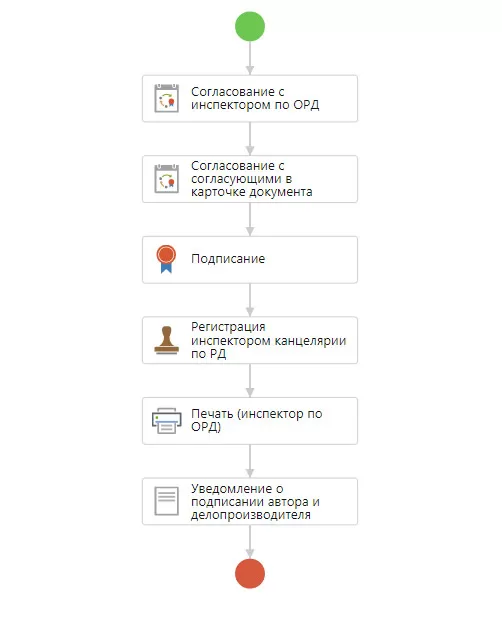
Administrative Documents: Orders, Requests, Internal Memos
BEFORE
MMZ uses various internal documents: executive orders, directives, resolutions, internal memos, request forms, and additional acts. Examples included paper transport requests filled manually and sent to the transport department, or development requests routed to the design engineering department.
Paper internal documents were routed through the central registry across departments.
AFTER
Following system implementation, 90% of administrative documentation moved online. Instead of several act types, a single digital “Act” document type was created, which users launch manually for approval using flexible routing.
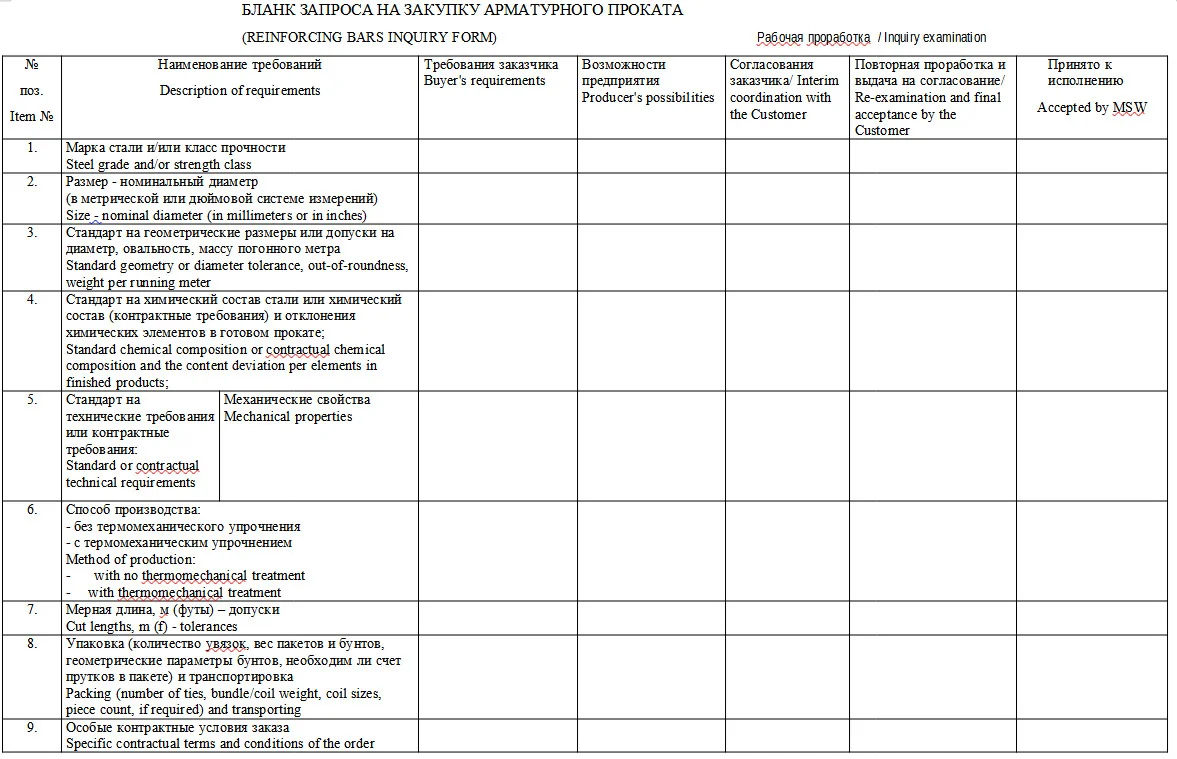
Several request types for different departments were also digitized.
Developed Manuals and Trained 18 Key Specialists
The LITIKO team created clear user manuals and guidelines for each area. Over 2 weeks, 18 lead MMZ specialists completed training on core procedures. System testing was subsequently conducted to address user feedback and questions.
Currently, 90% of Tier-1 support queries are resolved by an in-house specialist. Complex technical issues or system failures are handled by LITIKO consultants under the tech support agreement.
DirectumRX System Update
During the project, DirectumRX 4.1 was released, transitioning from web services to an integration service with entirely different setups.
At the time, one of two main integrations had already been set up using web services from the previous version, DirectumRX 4.0. Pausing work to handle other modules and reconfiguring the first one later would have delayed the project.
We presented the situation to the client: completing the project on version 4.0 meant they would have to rewrite integration modules during future updates, alongside extra licensing fees. Ultimately, LITIKO specialists performed live conversion during the ongoing project, successfully resolving the emergency situation.
Project Results
- 90% of internal document management digitized
- Central registry workload significantly reduced
- Internal document workflows moved online, easing the load on record-keeping staff
- Document acknowledgment, submission, and approval mechanisms implemented
- Confidential commercial documents digitized with granular access control
- Executive management gained real-time document lifecycle monitoring
- 700 user accounts created in the system
- Technical support contract signed with LITIKO
Configured Solutions:
- “Records Management” Module: Incoming/outgoing mail, internal documentation
- “Meetings” Module
- Administrative Workflows: Executive orders, directives, internal memos, request forms
- “Contracts” Module + Technical Evaluations and Bid Comparison Sheets

90% of internal document flow has been digitized

There are 700 user accounts in the system—one for each user

The workload on the central office has decreased significantly